
Reducing pack weight transforms multi-day hikes from endurance tests into journeys where terrain becomes accessible rather than punishing. Remlite specialises in ultralight hiking gear that maintains durability while shedding unnecessary grams. Their catalogue features equipment designed for New Zealand’s challenging environments, where weather shifts rapidly and remote locations demand reliable performance. Every product undergoes field testing in actual backcountry conditions before reaching their online store. This curation process filters out items that look impressive on specifications sheets but fail when kilometres from the nearest road.
Founded by Stan Leenders after a near-fatal storm experience in the Tararua Ranges, Remlite emerged from necessity rather than market opportunity. Heavy equipment had compromised safety during deteriorating conditions, prompting extensive research into lighter alternatives that wouldn’t sacrifice protection or functionality. This origin shapes their product selection philosophy today. Stan personally tests gear during solo hunting trips and extended tramps, documenting results through his Hard Antler Hunting YouTube channel. Viewers watch equipment function in rain, wind, and exposed alpine environments rather than controlled demonstrations with edited highlights.
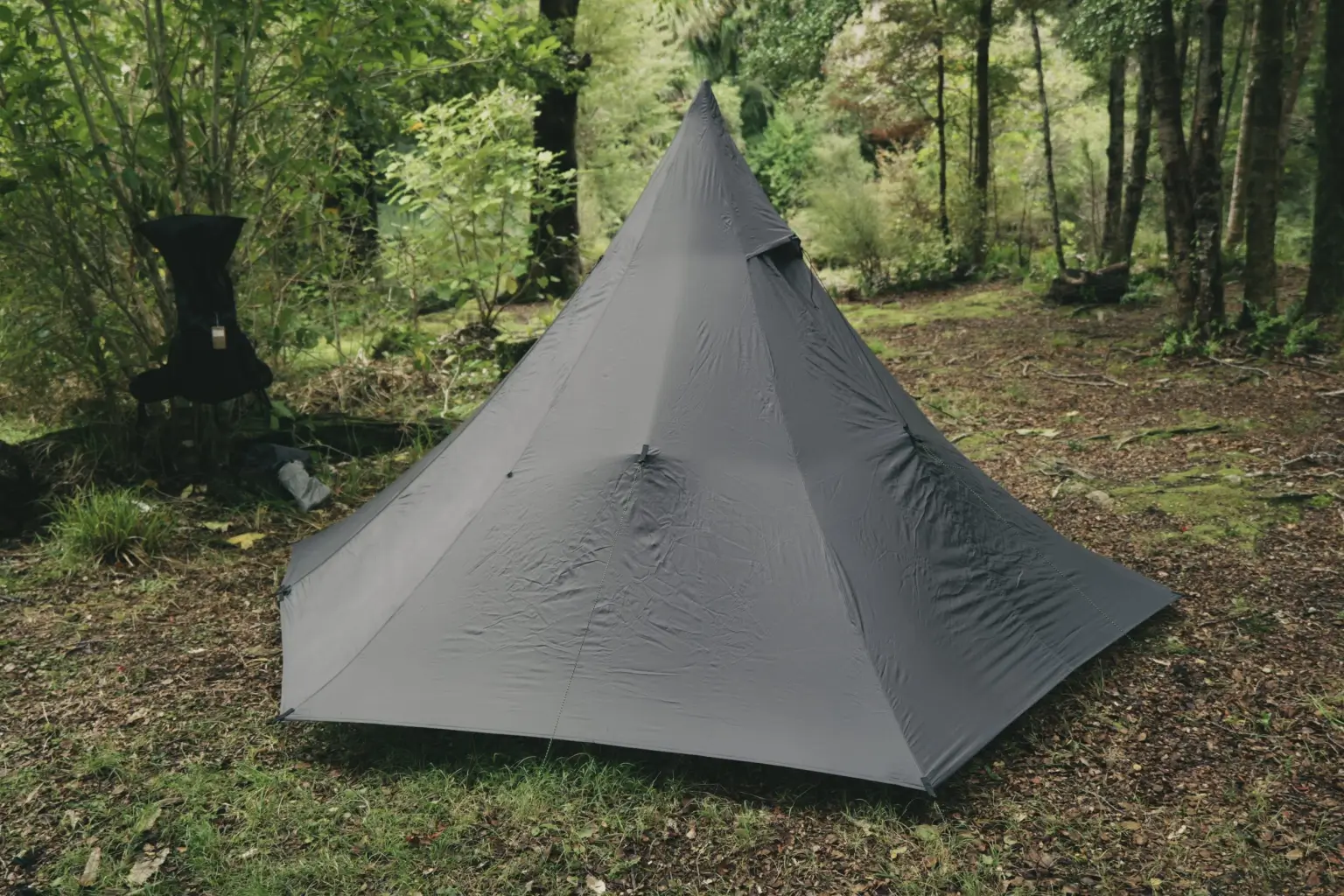
Their range emphasises hand-crafted items from specialist cottage manufacturers who prioritise build quality over production speed. Liteway tents and Leleka hammocks exemplify this focus, featuring reinforced stitching and premium materials that mass production often sacrifices for cost efficiency. SilPoly fabrics balance weather resistance with minimal weight, while thoughtful design maximises interior space without adding bulk. These shelters pack small enough for bikepacking yet provide reliable protection during overnight camps above the bushline. Seam taping and guy-out points receive particular attention, recognising that exposed ridgelines test equipment in ways that forest camping never does.
Sleep systems receive equal attention because poor rest ruins trips regardless of daylight pack weight. Therm-a-Rest NeoAir pads use reflective technology to boost insulation without thickness that compresses in stuff sacks. Quilts eliminate fabric underneath the body where compression destroys loft anyway, saving weight without compromising warmth. Temperature ratings suit New Zealand’s variable conditions, from summer coastal tracks to winter alpine crossings where overnight lows plunge unexpectedly. Ultralight hiking gear from Remlite addresses these realities through products that perform when conditions deteriorate rather than merely functioning in ideal weather.
Technical apparel rounds out their offering with items suited to New Zealand’s UV exposure and rainfall patterns. SKRE clothing provides hunters with silent fabrics and thermal management during stationary glassing sessions. Icebreaker merino base layers offer moisture control and odour resistance during multi-day trips without laundry access. Rain gear must breathe while repelling downpours, preventing internal condensation that soaks clothing from within as effectively as external rain. Remlite stocks brands like MSR, Nemo, and Sea to Summit alongside specialist makers, creating a range that balances proven reliability with innovative design approaches refined through real-world use rather than laboratory testing.
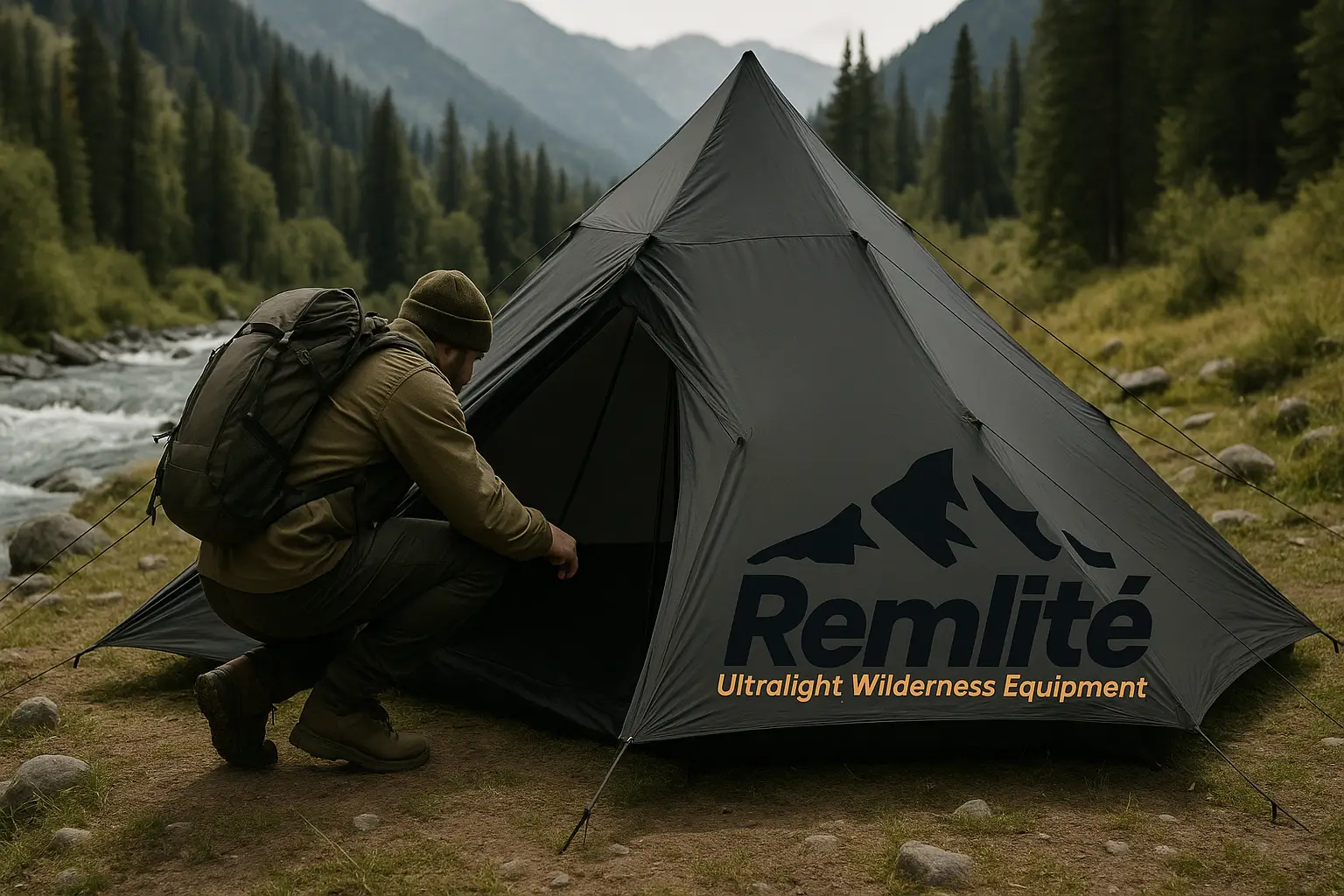
Operating from York Bay in Lower Hutt, Remlite serves customers throughout New Zealand and Australia via their online platform. Free shipping applies to orders exceeding 199 dollars, making premium equipment accessible without regional freight penalties. Their website provides detailed specifications and weight data, helping buyers make informed decisions when physical inspection isn’t possible. A 30-day money-back guarantee reduces purchase risk, though return rates remain low due to careful curation that matches products to realistic use cases rather than marketing hype.
Wellington’s proximity to challenging tramping terrain influences Remlite’s equipment standards. Remutaka Forest Park and the Tararua Ranges provide accessible testing grounds where gear faces New Zealand’s notorious weather systems. Stan’s connection to the Wellington Tramping and Mountaineering Club offers direct feedback from experienced users who recognise the difference between equipment that merely works and gear that excels under pressure. These relationships inform product selection, ensuring ultralight hiking gear meets demands specific to Kiwi conditions rather than replicating overseas trends that suit different environments.
Shelter systems form the foundation of any overnight kit. Nemo’s Hornet Elite tents deliver exceptional space-to-weight ratios through clever pole geometries and minimal fabric waste. Reinforced attachment points handle guy-out configurations needed for exposed sites where wind tests structural integrity. Liteway tarps appeal to experienced trampers comfortable with flexible pitch options that adapt to terrain and weather. ENO hammocks suit forest environments abundant in anchor points, though weight considerations demand careful selection of suspension systems that don’t negate the hammock’s lightweight advantages.
Packing efficiency matters as much as raw weight. Shelters must compress into manageable volumes without damaging fabrics or hardware. Stuff sacks sized appropriately prevent overpacking that stresses seams. Remlite recognises that a 900-gram tent packing to four litres often proves more practical than a 700-gram shelter requiring six litres of precious pack space. These nuances separate theoretical ultralight specifications from practical ultralight hiking gear that functions smoothly during actual trips.
Sleep systems demand similar scrutiny. Therm-a-Rest NeoAir pads balance insulation value against packed size and inflation effort after long hiking days. Valve designs affect ease of inflation and deflation when fingers are cold and daylight fades. Quilts require proper technique to prevent drafts, though understanding how to pack light includes learning sleep system management rather than expecting gear alone to solve comfort challenges. Temperature ratings provide guidelines but personal metabolism and shelter choice affect actual warmth retention.
Footwear represents a category where weight savings deliver disproportionate benefits. Each gram on feet equals multiple grams on backs due to repetitive lifting through thousands of steps. Trail runners increasingly replace traditional boots for trampers prioritising speed and reduced fatigue. Waterproof socks and gaiters from brands Remlite stocks extend light shoe functionality into wet conditions. This approach requires accepting damp feet initially while boots would eventually soak through anyway, but recovery time decreases dramatically with breathable materials.
Cooking systems illustrate how small optimisations accumulate into significant pack weight reductions. MSR PocketRocket stoves weigh under 100 grams yet boil water efficiently for dehydrated meals and hot drinks. Titanium cookware saves grams compared to aluminium alternatives while offering superior durability. Water purification systems eliminate carrying litres from camp, though New Zealand’s giardia presence demands reliable filtration rather than trusting untreated sources. These accessories often receive less attention than tents and packs but contribute substantially to overall system weight.
Lighting technology has revolutionised overnight capabilities. Modern LED headlamps provide hours of illumination from tiny batteries, eliminating heavy torch systems previous generations carried. Rechargeable options suit huts with solar panels or multi-day trips with power banks. Navigation devices have similarly shrunk, though Department of Conservation recommendations still emphasise carrying paper maps as backups when electronics fail or batteries deplete unexpectedly.
Remlite’s philosophy extends beyond simply stocking lightweight products. Their tagline “Experience More, Carry Less” acknowledges that reduced pack weight enables longer distances, steeper terrain, and greater safety margins when conditions deteriorate. Ultralight hiking gear properly selected and used transforms what’s physically possible during limited holiday windows. Stan’s testing and documentation through video content provides transparency rare in outdoor retail, where marketing claims often exceed real-world performance. This authenticity builds trust with customers who need confidence their purchases will function when consequences matter.
ultralight hiking, tramping gear, backpacking equipment, lightweight shelters, sleep systems, hiking packs, trail equipment, backcountry supplies, alpine gear, camping equipment, outdoor gear NZ, Wellington hiking, ultralight tents, cooking systems, water purification, navigation equipment, technical apparel, hiking footwear, cottage manufacturers, field-tested gear
Ultralight philosophy and approach — Understanding 2025 ultralight gear concepts
Common misconceptions addressed — Debunking ultralight tramping myths
Personal journey into lightweight hiking — One tramper’s ultralight transition story
Equipment comparison considerations — Balancing weight versus warmth decisions
Regional walking opportunities — Department of Conservation Wellington area tracks