
Central business district premises command substantial rental rates that reflect their strategic value. Each square metre dedicated to filing cabinets, stored equipment, or archived materials represents capital allocated to non-productive purposes. The financial impact becomes apparent when calculating annual occupancy costs against the operational value those areas could otherwise provide.
Professional business storage solutions enable companies to redirect premium office space toward revenue-generating activities. Client-facing areas, collaborative workspaces, and team environments deliver measurable returns that storage rooms cannot match. Relocating archives, inventory, and infrequently accessed items off-site immediately increases functional capacity without triggering expensive lease expansions or premises relocations.
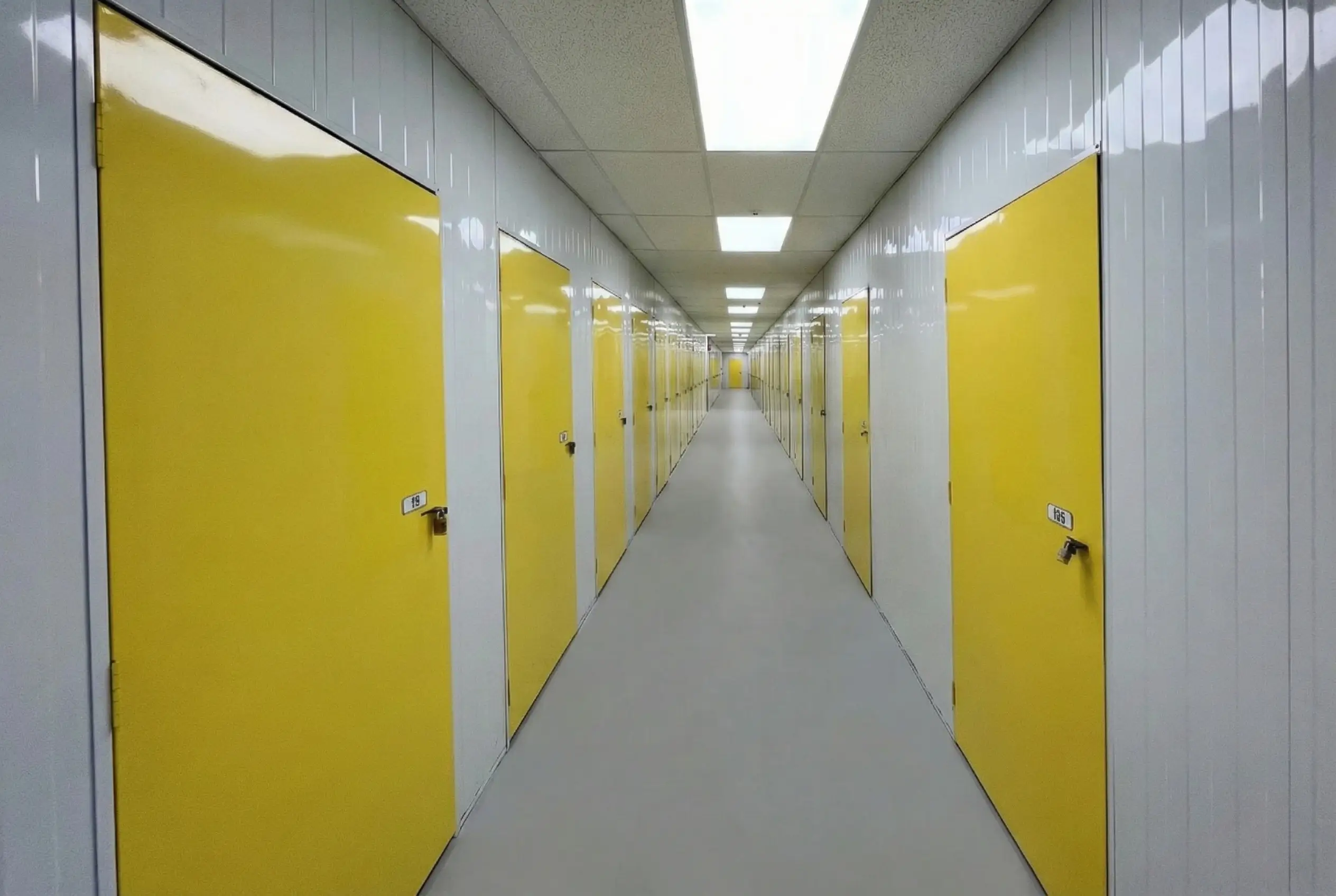
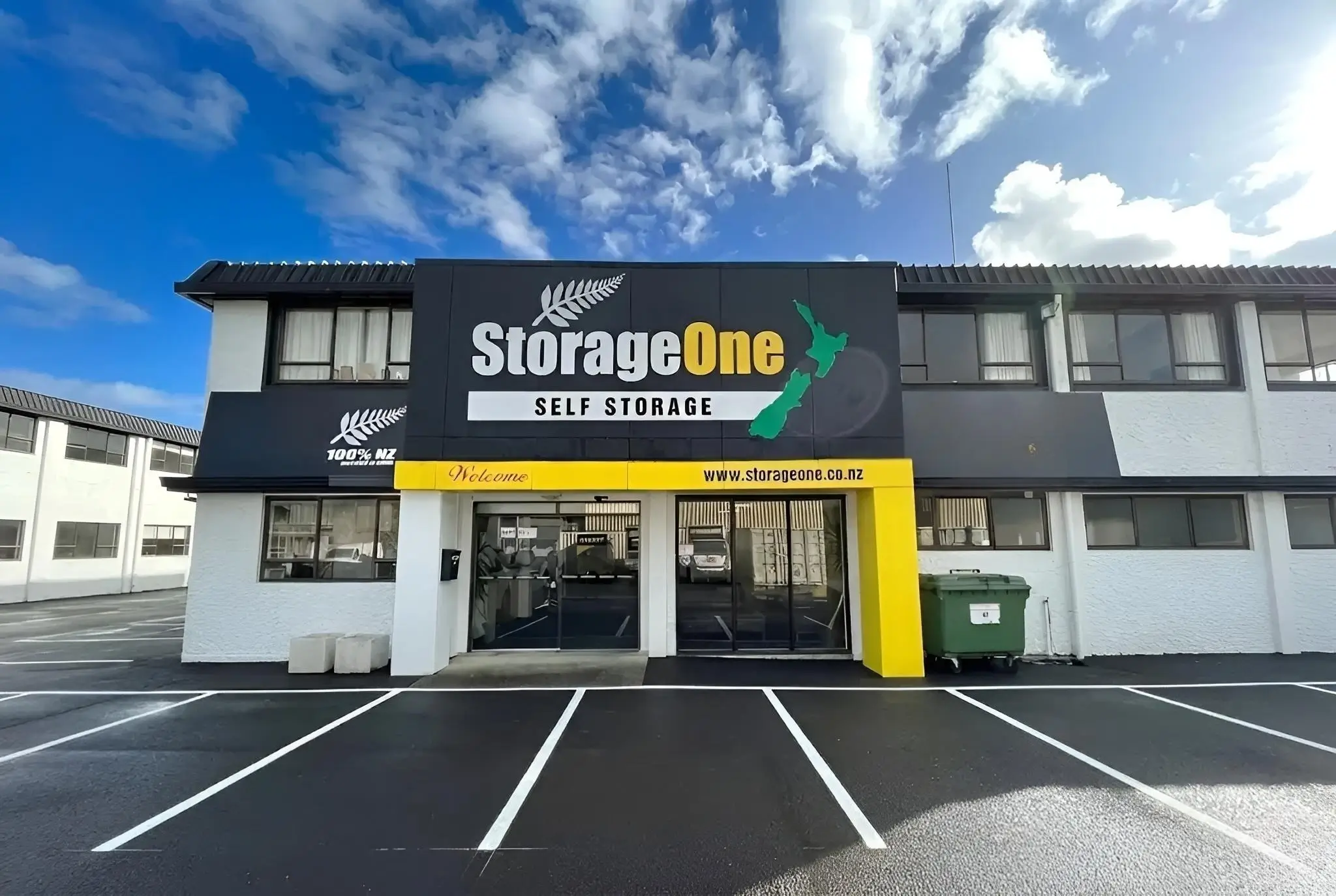
Storage One operates across six strategically positioned facilities throughout the Greater Wellington Region. Their commercial infrastructure includes loading bays designed for efficient transfer of boxes, equipment, and bulk inventory. Large-format units accommodate commercial volumes and equipment dimensions that residential-focused facilities struggle to handle. Access remains available around the clock, allowing businesses to retrieve items according to operational schedules rather than conforming to restrictive facility hours.
Regulatory compliance requirements mandate retention of financial records, client files, and business documentation for prescribed periods. These materials accumulate steadily, occupying substantial shelving and filing capacity. Off-site archive storage maintains compliance while freeing office environments. Climate-controlled units protect paper documents from humidity and temperature fluctuations that compromise legibility over extended timeframes.
The company approaches commercial clients as solution providers rather than simple space renters. Their complimentary move-in truck service, available with minimum three-month commitments, eliminates separate transport hiring costs. Staff assistance at participating branches reduces time demands on businesses managing multiple operational priorities. On-site trolleys and loading equipment simplify physical transfer of heavy boxes and bulky items.
Transparent pricing structures support accurate financial planning. Storage One maintains strict no-admin-fee policies and charges identical rates for new and existing customers. This ethical approach prevents the cost escalations common with providers offering promotional rates that increase substantially after initial periods. Month-to-month flexibility accommodates changing business storage solutions requirements without long-term contract penalties or exit fees.
Retail operations managing seasonal merchandise benefit from scalable storage capacity. Holiday inventory, summer stock, and promotional materials require secure accommodation during off-peak periods. Maintaining this inventory on retail premises reduces display space and creates cluttered environments that negatively impact customer experience. Off-site storage keeps retail floors optimised for current product offerings and customer flow.
E-commerce enterprises often operate from residential premises during early growth phases before scaling to commercial facilities. Inventory storage becomes problematic during this transition period. Professional storage units provide space needed to maintain adequate stock levels without requiring immediate warehouse leases. This staged expansion approach controls overhead costs during vulnerable early growth stages when cash flow remains tight.
Trade contractors storing tools, equipment, and materials face persistent security concerns when leaving valuable assets in vehicles overnight. Theft statistics for commercial vehicles and tools remain consistently problematic across New Zealand urban centres. Secure facilities with surveillance systems, gated access, and individual unit alarms protect business-critical assets. Climate-controlled options safeguard sensitive instruments and electronic equipment from environmental damage.
Professional services firms including legal practices, accounting operations, and consulting businesses accumulate substantial client files over years of operation. Regulatory frameworks mandate retention periods extending seven years or longer for certain document categories. Housing these archives in expensive office premises represents poor resource allocation. Secure document storage maintains regulatory compliance while optimising prime office space for client-facing activities and billable work.
Manufacturing and distribution businesses require buffer stock storage separate from production facilities. Component inventory, finished goods awaiting shipment, and returned merchandise all demand secure accommodation. Professional storage provides flexibility to scale capacity according to seasonal demand patterns without committing to permanent warehouse expansions that remain underutilised during slower periods.
Business records and equipment often represent irreplaceable assets with substantial financial and operational value. Client databases, proprietary research, specialised tools, and inventory all require protection beyond basic storage conditions. Modern facilities designed for commercial use incorporate multiple security layers specifically addressing business risk management requirements.
Continuous CCTV surveillance monitors all facility premises throughout each day. Recording systems document movement across properties, creating accountability and deterring unauthorised access attempts. PIN-controlled gate access restricts entry to authorised users exclusively. Each business receives unique access codes, allowing facility operators to track usage patterns and respond to security incidents with precise information.
Individual unit alarms provide additional protection for contents with high commercial value. These systems activate when units close, alerting monitoring services to unauthorised access attempts. Electric fencing at selected facilities creates physical barriers supplementing electronic security measures. Well-lit premises and secure perimeter fencing address the full spectrum of security concerns businesses face when storing valuable assets off-site.
Insurance providers often reduce premiums for businesses demonstrating professional asset protection measures. Storage facilities meeting commercial security standards qualify for these reductions, offsetting storage costs through lower insurance expenses. Businesses should arrange independent coverage tailored to specific contents and risk profiles, as facility liability policies typically address building infrastructure rather than stored contents.
Temperature and humidity fluctuations cause significant damage to certain business assets. Paper documents become brittle and discoloured when exposed to moisture. Electronics suffer component degradation and circuit corrosion in humid environments. Leather goods, wooden furniture, and fabric materials warp or develop mould when stored in uncontrolled conditions.
Climate-controlled units maintain consistent temperature ranges and humidity levels throughout the year. This protection proves essential for businesses storing archived documents requiring long-term preservation. Technology companies storing backup equipment, demonstration units, or retired systems benefit from conditions that prevent premature deterioration. Creative industries storing portfolios, samples, or completed projects maintain presentation quality over extended periods.
The WorkSafe guidance on storing flammable liquids establishes regulatory frameworks businesses must follow when storing certain materials. Commercial facilities maintain compliance with these requirements, but businesses remain responsible for ensuring stored items meet safety standards. Flammable liquids, chemicals, and hazardous materials typically face restrictions or outright prohibitions at standard facilities. Companies with specialised storage needs should verify facility policies before committing to agreements.
Commercial operations rarely conform to standard business hours. Hospitality enterprises, healthcare providers, and service companies often require access to stored items during evenings, weekends, or early mornings. Traditional facilities with restricted hours create operational bottlenecks that delay time-sensitive activities. Around-the-clock access eliminates these constraints, allowing businesses to retrieve items according to operational requirements rather than facility schedules.
Loading bays designed for vehicle access simplify transfer of heavy equipment, bulk inventory, and large box quantities. Businesses can reverse vehicles directly to storage units, minimising manual handling and reducing labour time. This infrastructure proves particularly valuable for companies regularly rotating stock or accessing stored items frequently. On-site trolleys and moving equipment remain available, eliminating needs to transport these tools separately.
Toilet facilities and comfortable premises allow staff to work efficiently when packing, unpacking, or conducting inventory audits. These amenities significantly impact productivity during extended facility visits. Staff can take necessary time to organise contents properly without rushing due to inadequate facilities or uncomfortable conditions.
Scalable solutions allow businesses to expand or contract storage space as operational needs change. Seasonal enterprises facing dramatic volume fluctuations benefit from this flexibility. Retail operations can increase capacity before holiday seasons, then reduce to baseline levels during slower periods. This elasticity prevents paying for unused space while ensuring adequate capacity during peak demand periods.
The Business.govt.nz guidance on understanding consumer laws helps commercial operators navigate responsibilities when storing client property or goods awaiting sale. Understanding legal frameworks protects businesses from potential disputes and ensures compliance with commercial obligations. Professional storage providers operating within regulatory frameworks offer businesses confidence their arrangements meet legal standards.
Storage One maintains facilities positioned strategically to serve the Greater Wellington business community. Their Kaiwharawhara location near Thorndon serves CBD businesses seeking convenient access from central commercial districts. Professional services firms, marketing agencies, and corporate offices benefit from proximity allowing quick visits without lengthy travel times or traffic delays.
The Gracefield facility in Lower Hutt caters to industrial and manufacturing businesses throughout the Hutt Valley. Wide units accommodate equipment dimensions and commercial volumes standard facilities cannot handle. Trade contractors, wholesale distributors, and light industrial operations find infrastructure and access arrangements suited to their operational patterns. Industrial zoning and transport links make this location particularly suitable for businesses with substantial storage requirements.
Upper Hutt facilities at Trentham and Maidstone serve the northern valley’s expanding commercial sector. State-of-the-art security systems address heightened asset protection requirements of businesses storing sensitive equipment or valuable inventory. Climate-controlled units protect electronics, documents, and temperature-sensitive materials from environmental damage common in standard warehouse environments.
Kapiti Coast facilities in Paraparaumu provide commercial storage for the region’s growing business community. Highway accessibility via the expressway allows efficient transport between Wellington and coastal commercial operations. Businesses with customers or suppliers spread across the region benefit from strategically positioned storage optimising logistics and reducing transport costs.
Consistent service standards across all six locations mean businesses receive identical quality regardless of facility choice. This consistency matters for companies with multiple storage needs across different locations or those relocating between areas. Staff expertise about local business communities helps guide companies toward appropriately sized units based on typical commercial storage requirements in each sector.
The Commerce Commission reporting mechanism provides businesses with channels to address concerns about commercial practices. While New Zealand’s self-storage industry maintains strong ethical standards, businesses should understand their rights and available recourse mechanisms. Professional providers welcome informed customers who understand industry norms and regulatory frameworks governing commercial relationships.
Determining appropriate capacity requires careful assessment of current and projected needs. Businesses should inventory all items intended for storage, measuring dimensions and calculating total volumes. Underestimating requirements leads to cramped units where items become difficult to access, while overestimating wastes financial resources on unused space and unnecessary rental expenses.
Seasonal fluctuations demand consideration when selecting unit sizes. Retail operations should base calculations on peak inventory periods rather than average levels throughout the year. Professional services firms should project forward several years when storing archived records, accounting for ongoing accumulation rates. Growth-oriented businesses benefit from selecting facilities offering easy unit upgrades without requiring complete relocations and associated disruption.
Access frequency influences optimal unit selection and facility location choices. Items requiring daily or weekly retrieval justify premium locations with superior vehicle access and loading infrastructure. Archived materials accessed quarterly or annually can utilise more distant facilities where cost savings offset minor inconvenience. The moving house checklist from The Moving Company NZ offers preparation guidance applicable to commercial relocations and storage planning, with systematic approaches to packing, labelling, and organising that translate effectively to business storage solutions contexts.
Safe storage of hazardous substances regulations – Storing flammable liquids – WorkSafe
Business handling of customer complaints and obligations – Understanding consumer laws – Business.govt.nz
Reporting concerns about commercial practices – Report a concern – Commerce Commission
Comprehensive moving and relocation preparation – House moving checklist – The Moving Company NZ
Hazardous substances inventory guidance – Inventory for hazardous substances – WorkSafe